What Attendees Actually Want From a Ticketing Platform in 2026
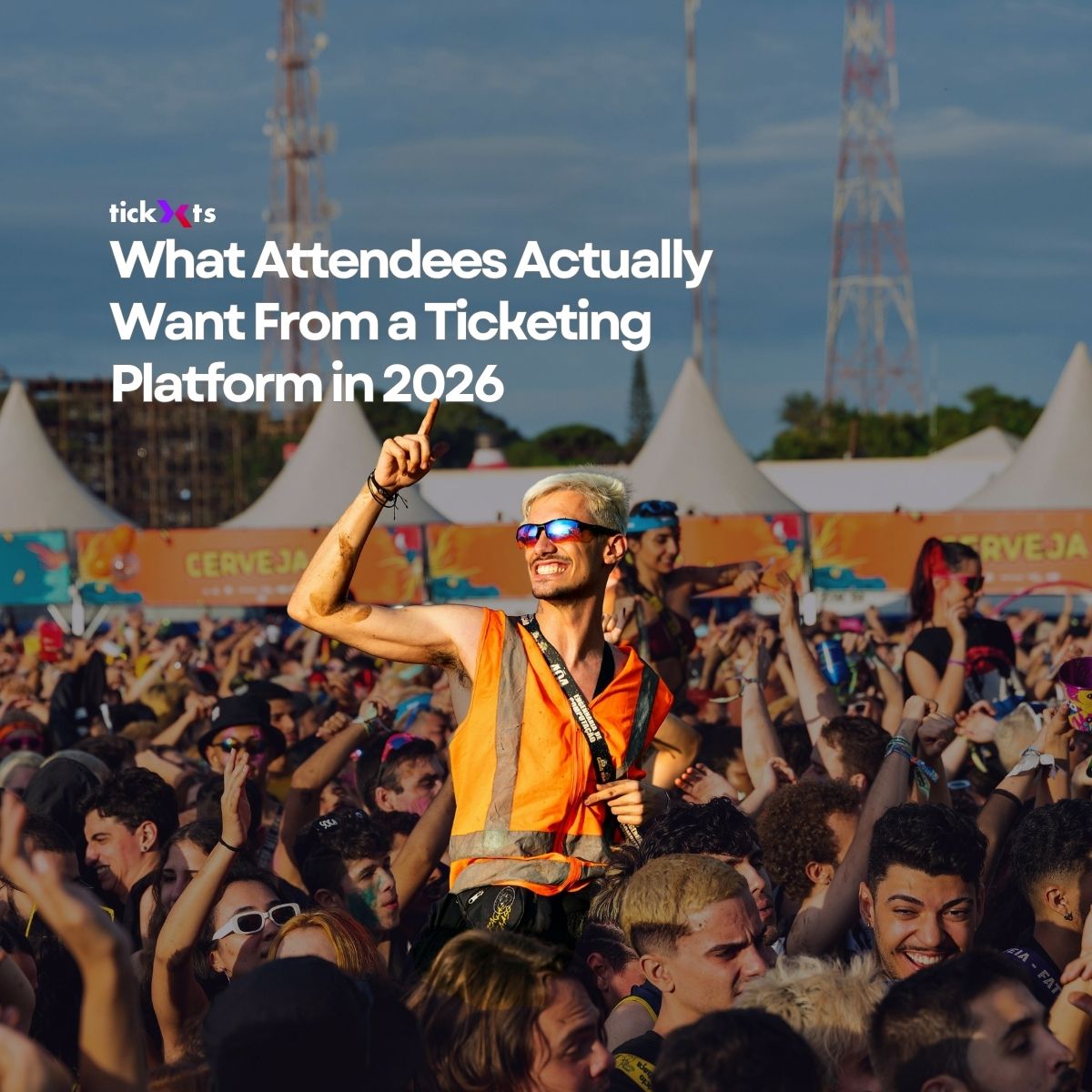
Ask a festival crowd what they think of the platform they bought from and you'll rarely hear about features. You'll hear about the time it didn't load at the gate.
That says a lot. Attendees don't judge ticketing platforms by how many features they have.
They judge them by how smoothly everything works when they actually need it.
In 2026, phones are wallets, maps, cameras and tickets all at once. Events are busy, networks can be unreliable and nobody wants their night interrupted by a checkout that fails or a QR code that won't open.
So what do attendees actually want?
Less than you'd think, and more than some platforms deliver.
1. Buying should be quick and honest
For many attendees, the frustration starts before the event does.
Unexpected fees appearing late in the checkout, pages that take too long to load, tickets disappearing while someone is still trying to pay.
Attendees want to know what they're paying upfront. They want a checkout that feels straightforward and confident that the ticket they're buying is legitimate.
The less friction between deciding to go and getting a ticket, the better.
2. Reliability beats everything
The most requested "feature" isn't really a feature.
It's a ticket that opens when you need it.
Live events often happen in places where mobile connectivity can be unpredictable: fields, temporary venues, packed stadiums and crowded festival sites.
That's why reliable ticket access matters so much.
If a ticket has been saved to a phone and can be accessed without relying on a strong live connection, attendees have one less thing to worry about at the gate.
The principle is simple: when someone reaches the entrance, their ticket should be ready.
3. Less admin, not more apps
A busy summer can leave attendees juggling confirmation emails, screenshots, PDFs and different accounts for different events.
Nobody wants to spend the night before a festival searching through their inbox for a ticket they bought three months ago.
The experience is better when tickets are easy to find and clearly organised.
The best technology often isn't the technology attendees notice. It's the technology that removes something they would otherwise have to think about.
4. Getting in should take seconds
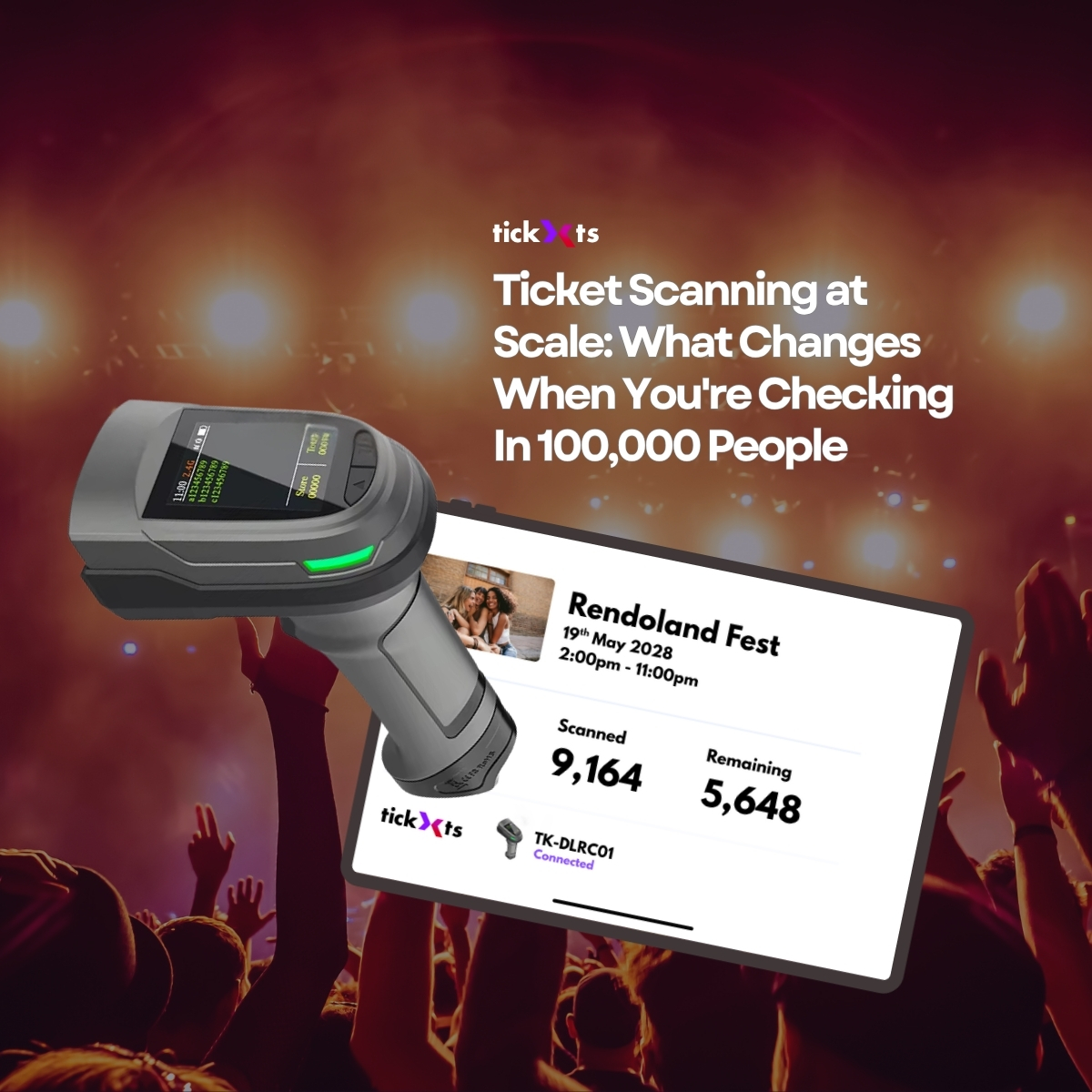
The queue is where the event experience really begins. Attendees arrive excited. A slow entrance can drain that excitement quickly. What they want is simple: open their ticket, show the QR code, get scanned and walk in. That depends on the organiser's side too.
Good ticketing isn't just about generating a barcode. It also means reliable scanning equipment, sensible entrance operations and a system that can handle large numbers of people arriving at once.
A smooth entry can make thousands of people feel like the event is already running well before they reach the main arena.
5. Paying shouldn't decide who gets to go
Tickets often go on sale months before an event, and payday doesn't always line up with the moment tickets become available.
For some attendees, the question isn't whether they want to go. It's whether they can comfortably pay the full amount today.
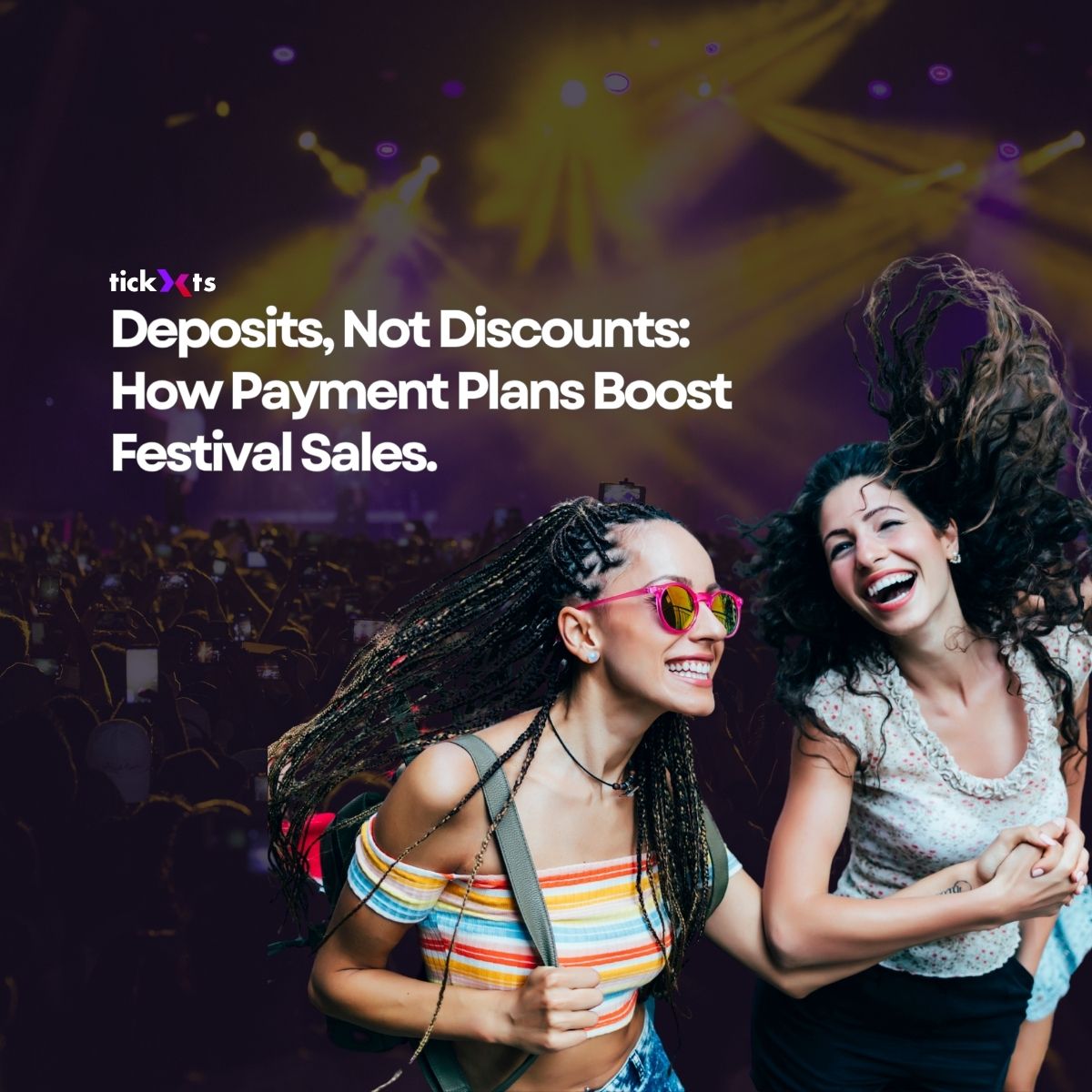
That's where deposits, payment plans and pay-later options can make a difference.
The important part is clarity.
Attendees should know exactly what they've paid, what's remaining and when future payments are due. Flexible payment only works as a better customer experience when the process is easy to understand.
6. The experience doesn't end at the gate
Attendees increasingly experience an event as one journey, rather than separate ticketing and on-site experiences.
Once inside, the frustrations simply change.
Long bar queues. Cash-only stalls. Slow card transactions. Busy food and merchandise areas.
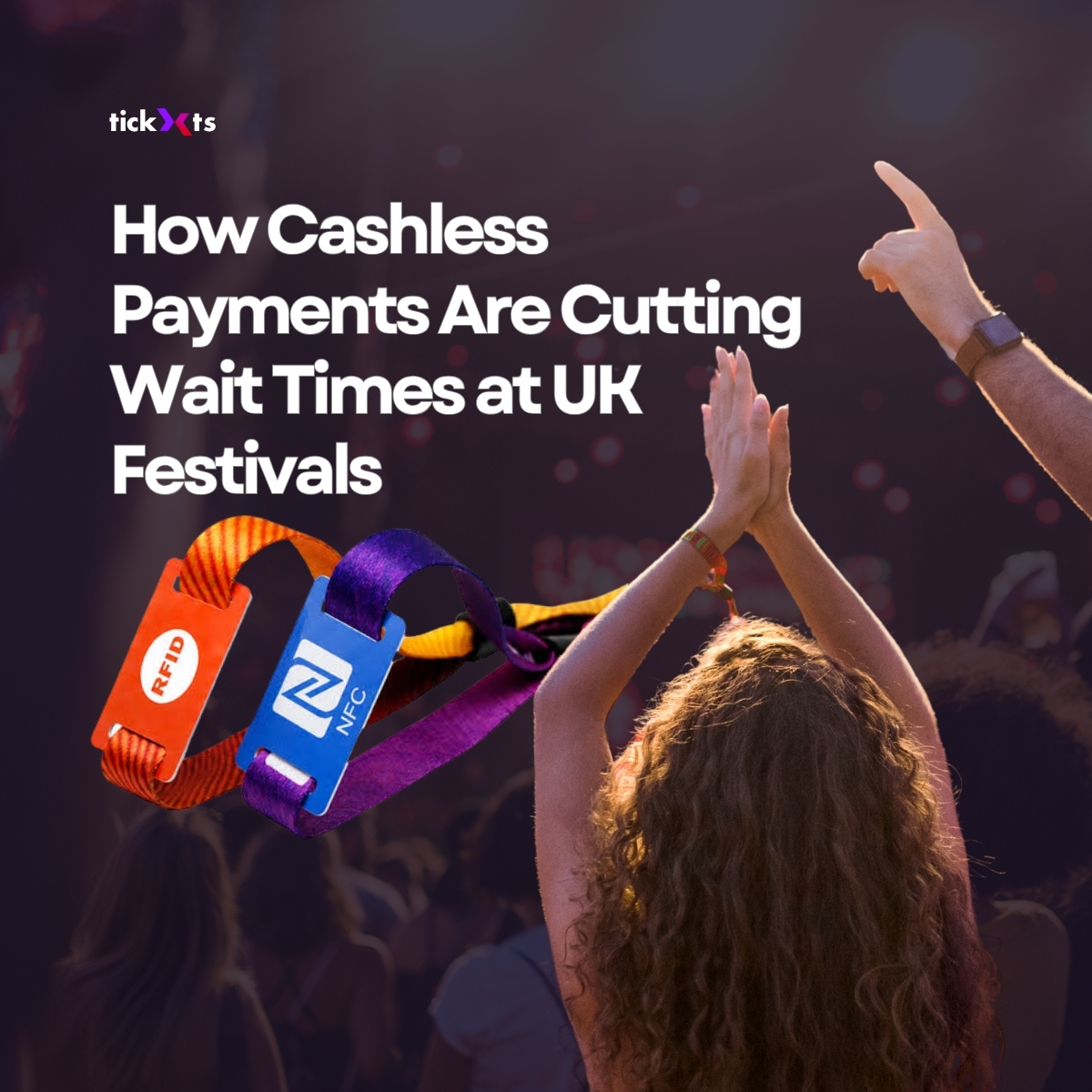
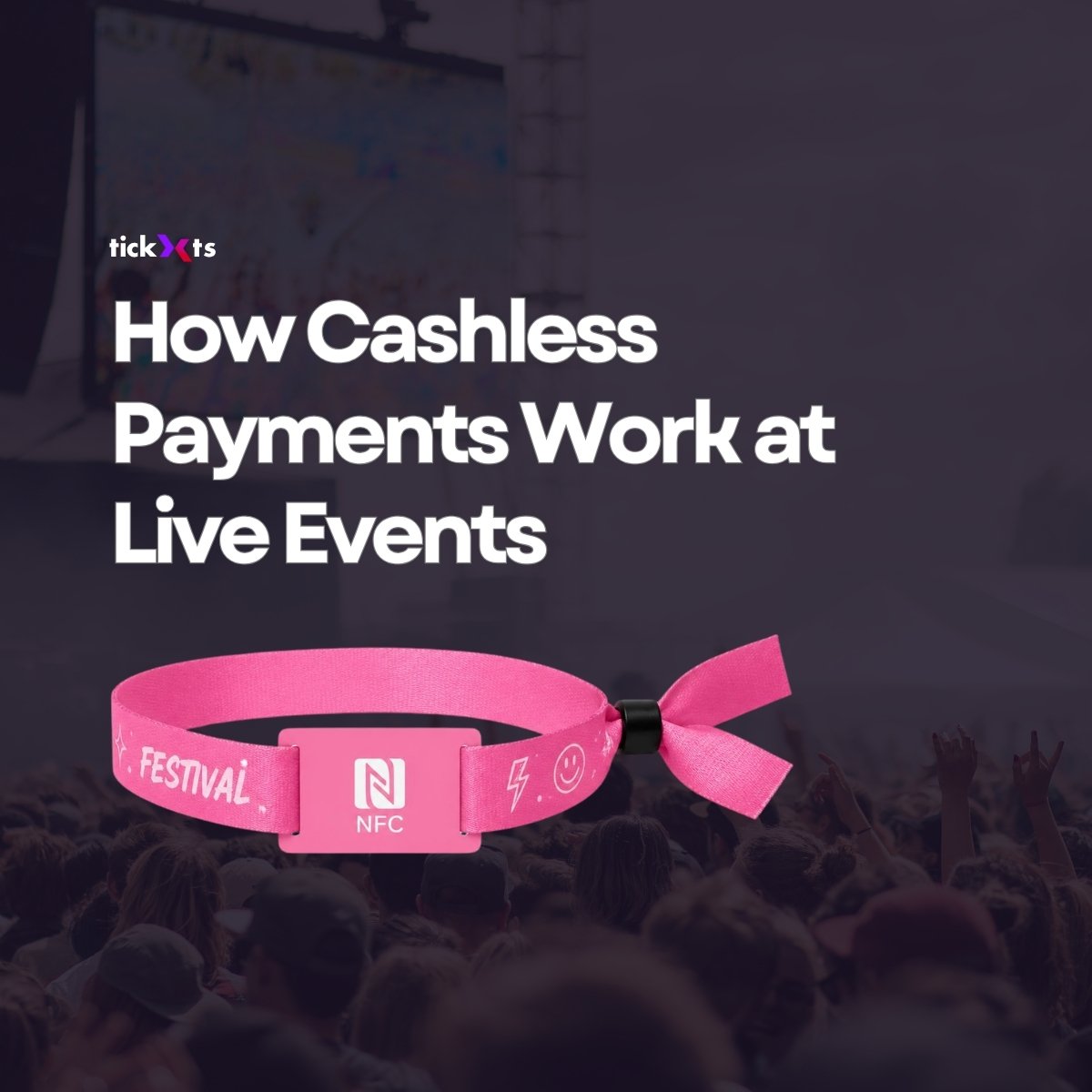
Cashless systems, including RFID wristbands, can help organisers move transactions away from traditional cash and card handling and towards simple tap-based payments.
But again, technology isn't the whole story.
Attendees need an experience that's easy to understand. They should be able to top up easily, see what they've spent and understand how any remaining balance is handled after the event.
The real brief for 2026
Put it all together and the wish list is surprisingly short. An honest checkout.
A ticket that's easy to access.
Less searching and admin.
Fast entry.
Flexible ways to pay.
And a smoother experience once you're inside.
None of it is particularly flashy.
That's the point.
The best ticketing experience is often the one fans barely notice because nothing gets in the way of their night.
At Tickxts, that's the standard we're aiming for: technology that works in the background while the event takes centre stage.
FAQs
What should I look for in a ticketing platform? Look for clear pricing, reliable ticket access, straightforward checkout, easy ticket retrieval, efficient entry and clear information about any payment plans or instalments.
Can event tickets work without internet? Some ticketing apps and systems allow tickets to be accessed without a live internet connection once they've been downloaded or stored on the device. This can be particularly useful at busy venues and outdoor events where mobile connectivity may be unreliable.
Is it normal to pay for festival tickets in instalments? Payment plans, deposits and pay-later options are increasingly available for events, particularly where tickets are sold well in advance or have a higher total price. The exact options depend on the organiser and ticketing platform.
What is a cashless festival? A cashless festival uses digital payment methods instead of relying on cash for purchases around the event. This can include RFID wristbands, cards or other contactless systems for bars, food and merchandise.
Last updated: 8 hours ago
Published: 28th Sep, 2026