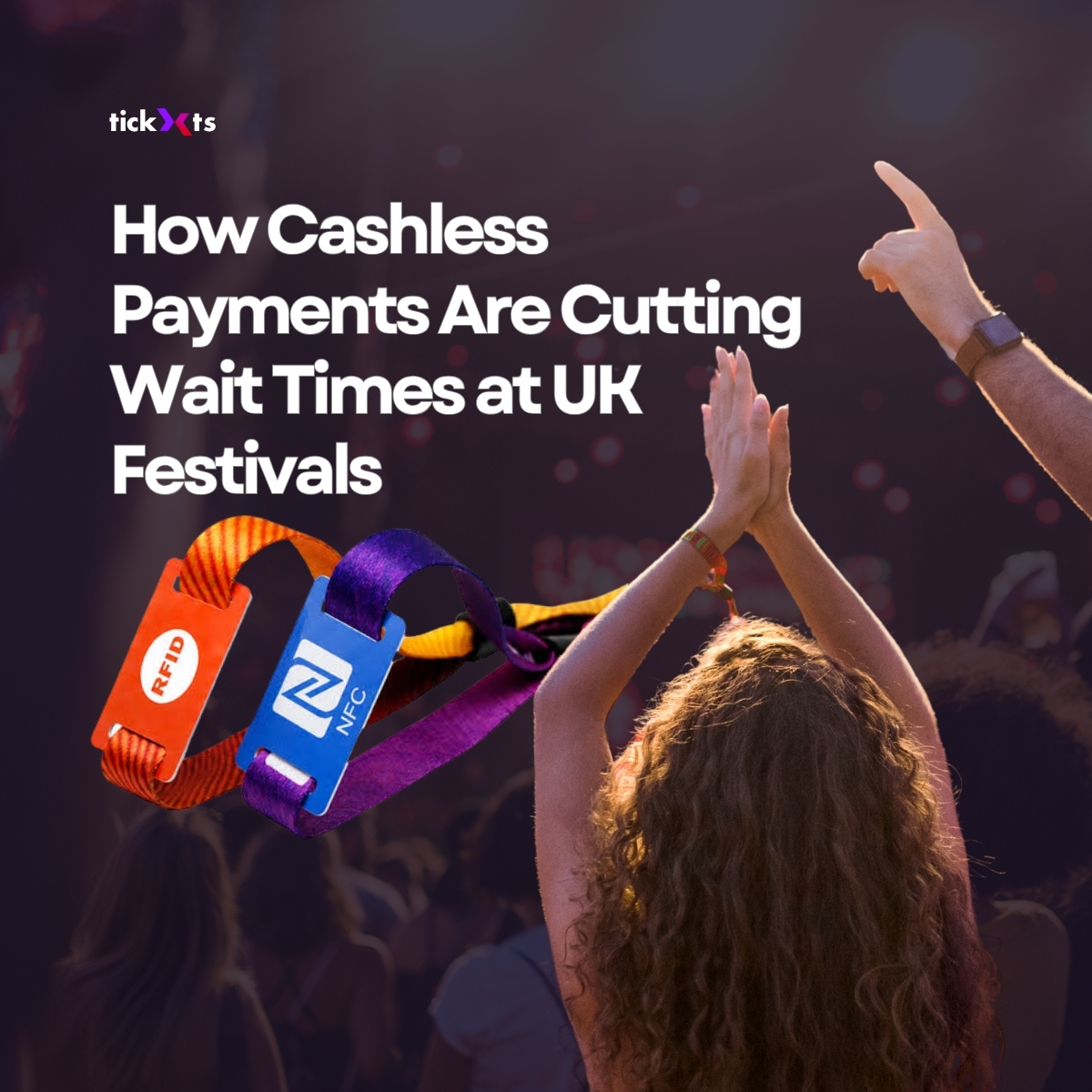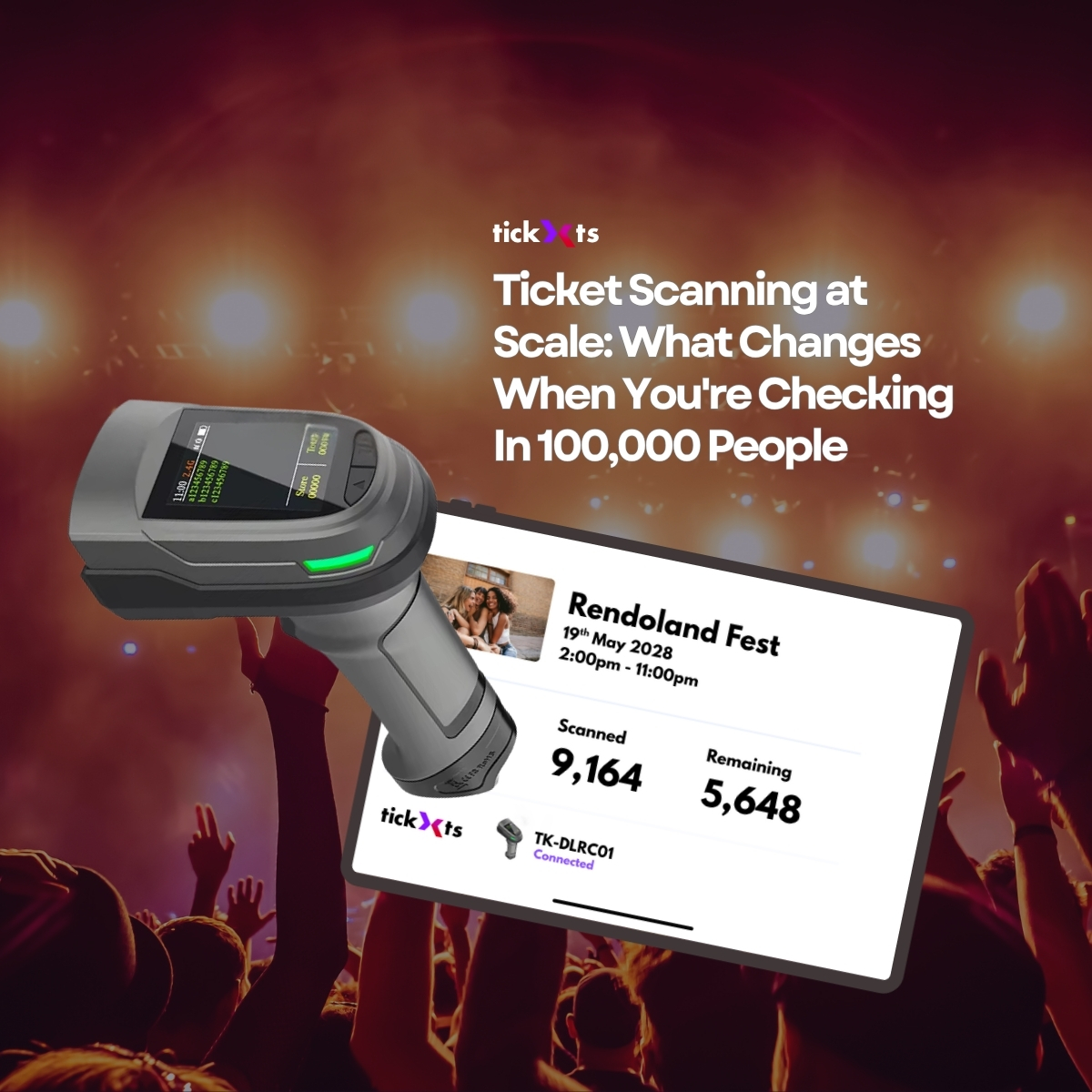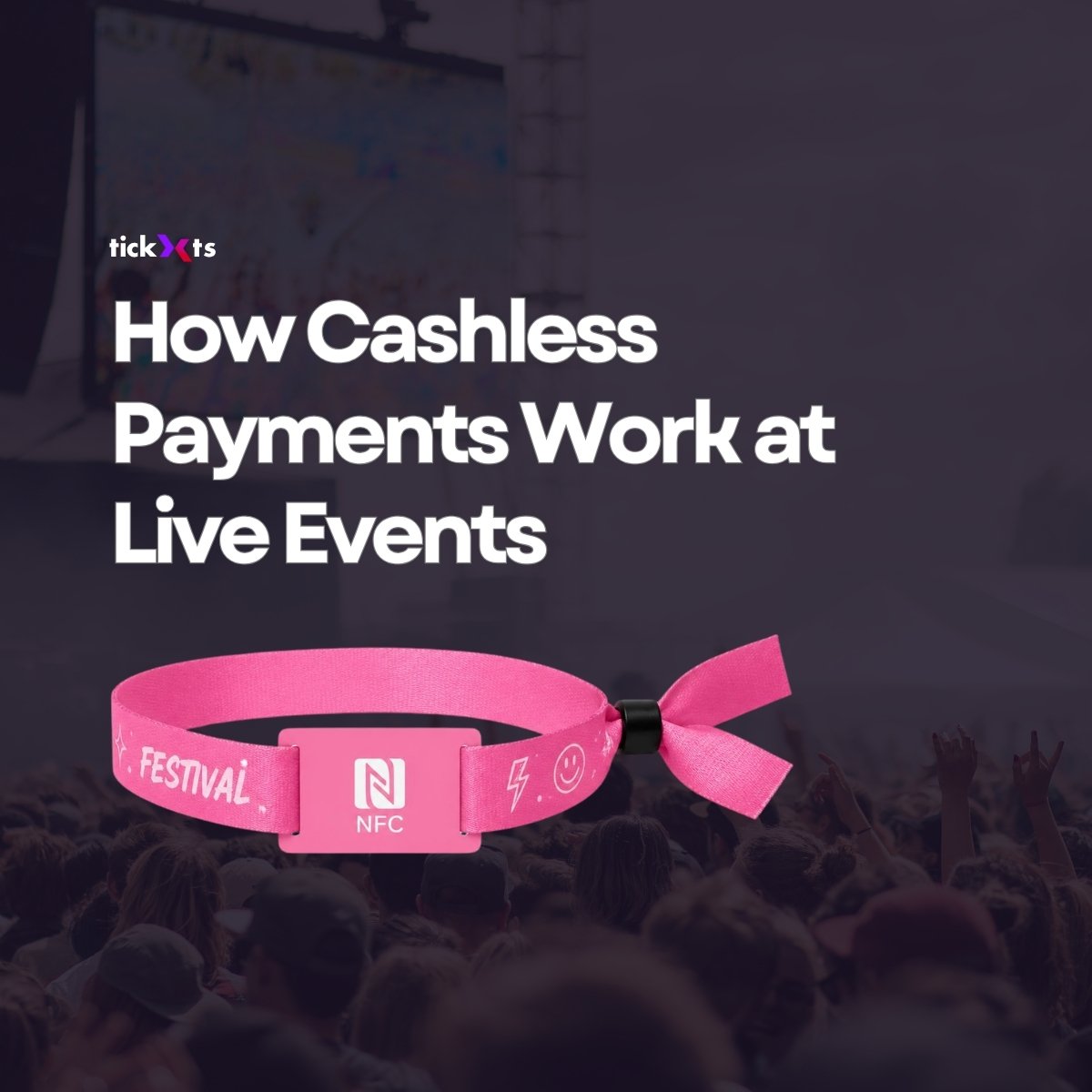
How Cashless Payments Work At Live Events And Why Organisers Are Switching
Anyone who’s queued at a festival bar with a fistful of cash knows the frustration: fumbling for change while the person behind you shifts impatiently, or worse, being turned away because the vendor is “card only tonight.”
Cashless payments have quietly become the backbone of modern live events. But the shift isn’t just about making it easier for attendees to pay. It’s changing how organisers manage their events, from faster transactions and shorter queues to better visibility over spending and smoother operations across the site.
What Cashless Actually Means at an Event
At its simplest, cashless payment systems let attendees pay for drinks, food, merch, and anything else onsite without physical currency changing hands. Most setups fall into one of two categories: RFID wristbands or cards that are preloaded with credit, or direct contactless payment via a phone, smartwatch, or bank card at point of sale terminals.
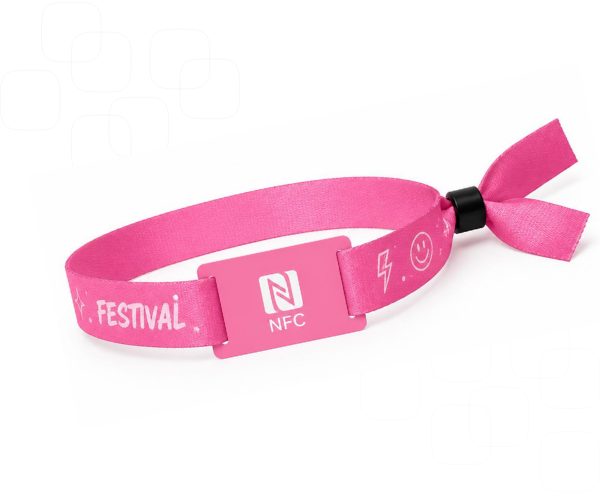
With RFID based systems, attendees usually top up before arriving or at onsite kiosks, then tap their wristband at any vendor. The event's payment infrastructure handles the transaction instantly, deducting the balance and syncing it across every point of sale in real time. Contactless card and mobile payments work similarly but skip the preload step entirely, the transaction goes straight through the attendee's own bank.
Either way, the goal is the same: get people served faster and get organisers cleaner data.
The Mechanics Behind the Scenes
It looks simple from the attendee's side "tap and go" but there's a fair bit happening underneath. When a wristband or card is tapped, the terminal reads the ID, checks the available balance or authorises the card transaction, and logs it against that vendor's stall. All of this happens over a network that's built to handle heavy concurrent traffic, because a festival with fifteen bars running simultaneously puts real strain on payment infrastructure.
For organisers, this data flows into a central dashboard. They can see which vendors are busiest, what's selling, average spend per head, and where queues are building up, all while the event is still running, not just in a report afterwards.
Why Organisers Are Making the Switch
1) Speed at the point of sale: Cash transactions involve counting, making change, and handling disputes. Tap and go transactions are typically over in seconds, which matters enormously when you're trying to move thousands of people through a handful of bars during a headline set.
2) Reduced risk: Less cash onsite means less to manage, count, transport, and secure. That's fewer staff hours spent on cash handling and less exposure to theft or discrepancies at the end of the night.
3) Realtime visibility: Traditional cash reconciliation happens after the fact that someone counts tills the next morning and hopes the numbers add up. Cashless systems give organisers live sales data throughout the event, so they can react to a vendor running low on stock or a bar getting overwhelmed, rather than finding out days later.
4) Better attendee spend: It's a well documented pattern across the events industry, people tend to spend more freely when they're not physically handing over notes. For organisers, that translates to a meaningful uplift in per head revenue without changing prices.
5) Cleaner financial reconciliation with vendors: When every transaction is logged digitally, splitting revenue with food trucks, bars, and merch stalls becomes a matter of pulling a report rather than negotiating over a shoebox of receipts.
What This Means for Attendees
For the people actually at the event, cashless mostly just means less friction. No searching for an ATM that's out of order, no worrying about carrying cash around a crowded field, and no awkward moment of being three pounds short at the bar. Most systems also give attendees a way to check their balance and spending via an app, which adds a layer of transparency that cash never really offered.
The Bigger Picture
Cashless payments aren't just a nice to have anymore they're becoming the expected standard, particularly at larger festivals and multi day events where speed and data matter most. As more organisers see the operational and financial benefits play out in practice, cashless is shifting from an add on feature to a core part of how events are planned and run.
For organisers weighing up the switch, the real question isn't really whether cashless works, the data on that is clear. It's about choosing a platform that handles it natively, so ticketing, entry, and payments all sit in one system instead of being stitched together from separate tools.
See how it works on Tickxts.
Last updated: 3 weeks ago
Published: 3rd Sep, 2026