How Cashless Payments Are Cutting Wait Times at UK Festivals
Anyone who’s queued for fifteen minutes for a drink while a headline set plays knows the feeling. Long lines at bars, food stalls and merch stands are one of the most common frustrations at UK festivals. But as more events move towards cashless payments, organisers are finding new ways to keep queues moving and serve more customers during the busiest periods.
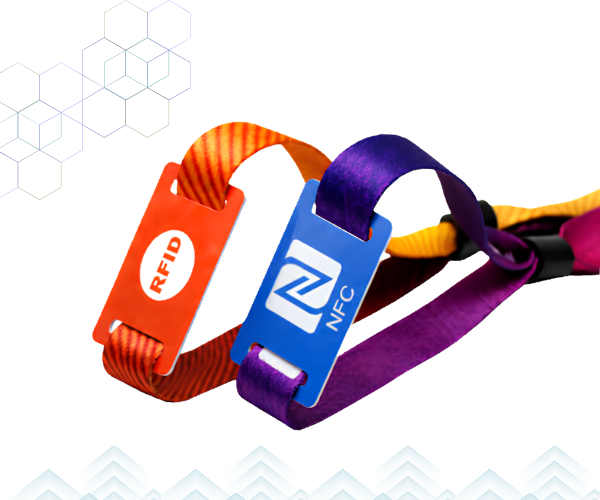
The shift towards cashless technology, particularly RFID wristbands and cards, is changing how festivals manage payments and the overall on-site experience. Here’s what’s driving it.
Why Queues Happen in the First Place
Cash can slow transactions down. Counting notes, finding change and handling cash securely all add time to each purchase. Those extra seconds can quickly add up when thousands of people are trying to buy food or drinks during the same 20-minute window.
Traditional card payments can also present challenges at large outdoor events. Card terminals may depend on reliable network connectivity, which can become difficult in festival fields, crowded venues or areas where thousands of devices are competing for bandwidth.
When a payment fails or takes longer than expected, the impact isn't limited to one customer. It can slow down the entire queue.
How RFID Payments Solve It
RFID technology allows attendees to make payments with a simple tap of a wristband or card. Attendees can add funds before or during the event, often through an app, reducing the need to complete a traditional card transaction at the point of purchase.
The payment process can be significantly faster, particularly when compared with transactions affected by poor connectivity. At festival scale, even small improvements in transaction time can make a noticeable difference to queue lengths.
A few specifics worth noting:
1) Transactions are processed locally, not dependent on live signal, so a dropped connection doesn't stall the queue.
2) Top-ups can happen in advance, meaning attendees arrive ready to spend without needing to find a top-up point first.
3) Refunds for unspent balances are usually automated, which removes a common source of end-of-event friction too.
Where Festivals Feel the Difference Most
1) Bars: The highest traffic point at any festival, and the one most likely to generate complaints if queues run long.
2) Food vendors: Faster payments mean vendors can serve more customers per hour without needing extra staff.
3) Merch stands: Quicker checkout reduces abandoned purchases from people who decide the queue isn't worth it.
4) Entry and re-entry: When cashless systems are tied into access control, movement through gates speeds up too, not just spending on-site.
The Business Case, Not Just the Convenience Case
Shorter queues aren't only about attendee happiness, though that matters. They directly affect revenue. A vendor that can serve twice as many people per hour in the same footprint sells more, full stop.
There's also a data benefit. Every cashless transaction generates a record; what sold, when, and where. Giving organisers real numbers to plan vendor placement, staffing levels, and stock for future events, rather than relying on guesswork.
What This Means for UK Festivals Going Forward
As festival footfall grows and margins tighten, the pressure to run tighter, faster operations is only increasing. Cashless payments have moved from a nice-to-have to a practical necessity for events that want to protect revenue and keep the on-site experience feeling smooth, even during the busiest windows of the day.
For festivals still relying on cash or standard card readers, the wait time problem isn't going away on its own. RFID payments are one of the clearest fixes currently available.
Last updated: 3 weeks ago
Published: 21st Sep, 2026